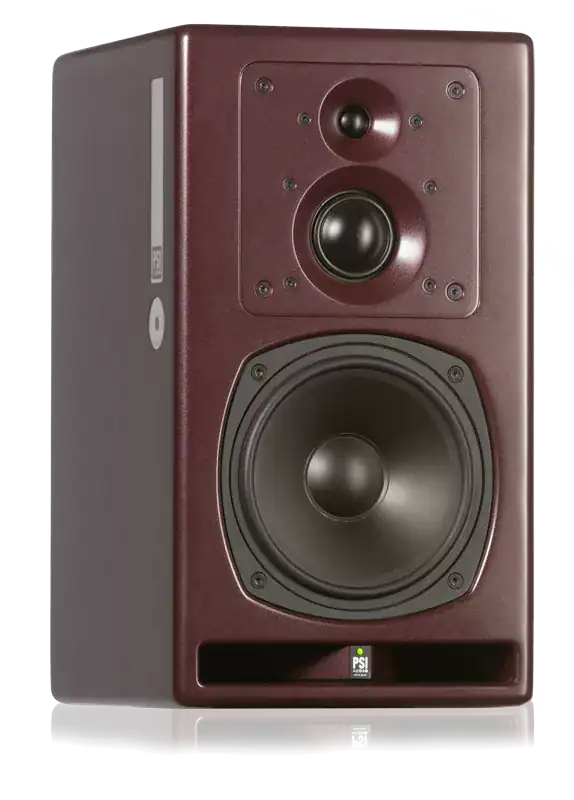
STUDIO MONITORS — OVERVIEW
A clearer understanding.
A better listening experience.
Choosing a studio monitor starts with understanding what you need to hear.
Explore the fundamentals, consider your listening environment and discover how the right reference can support your work — from the first recording to the final master.

01 / THE BASICS
What is a studio monitor?
A studio monitor is a loudspeaker used to evaluate sound during recording, editing, mixing and mastering. It serves as a reference: a way to judge what is in the signal before deciding what to change.
That makes neutrality valuable. When an instrument sounds too bright or a vocal feels buried, you need to know whether the recording needs attention or the playback system is influencing your impression.

An honest reference
Listening for pleasure and evaluating a mix are different tasks. In production, a dependable reference lets you compare takes, judge equalisation and set the relationship between instruments without constantly second-guessing the playback.
Why accuracy matters
A mix may be heard on headphones, in a car or through a live system. Clear monitoring helps you identify problems early and make deliberate choices. Listening to familiar reference tracks also helps you learn how your room and monitors behave.
02 / WHAT TO LOOK FOR
What makes a good studio monitor?
Consider the complete listening experience. A specification can help you compare designs, but no single number describes how useful a monitor will be in your working environment.
Accurate sound reproduction
A balanced frequency response makes it easier to judge tone. Listen to familiar voices and acoustic instruments as well as dense mixes: each reveals a different aspect of the presentation.
Clear transients and stereo imaging
Attacks, pauses and the position of sounds all matter. A stable centre image and clearly separated instruments help you judge panning, timing and reverb with greater confidence.
Controlled bass and low distortion
Bass should be easy to follow, with individual notes remaining distinct. Consider the output level and low-frequency extension you actually need, together with the room in which you will listen.
Build quality and durability
A professional tool must remain dependable through regular use. Cabinet construction, component quality and care in assembly deserve attention alongside acoustic performance.
03 / CHOOSE WITH CONFIDENCE
How to choose the right studio monitor
Start with your room
Think about the available space, the listening position and where the speakers can stand. Nearby walls, a desk and reflective surfaces can all influence what reaches your ears. Plan positioning and acoustic treatment alongside the monitors themselves.
Consider your workflow
Are you recording, mixing, mastering or working in immersive sound? Consider listening level, session length, required bass extension and how many channels you need. Leave room for practical details such as mounting, cabling and access to controls.
Find your listening distance.
Nearfield, midfield and farfield describe listening arrangements. Use the recommended distance for each model when planning your setup.
Nearfield
For a close listening position, often around a desk or compact console. The shorter distance can increase the proportion of direct sound you hear, although placement and room acoustics still matter.
Midfield
For a listening position farther from the monitors. Consider the output needed at your seat, how the drivers integrate at that distance and the space available around the system.
Main / Farfield
For larger listening distances and control rooms. System design, room treatment and installation become particularly important when planning wide coverage and higher output.
04 / THE PSI AUDIO APPROACH
Precision is built in.
At every step.
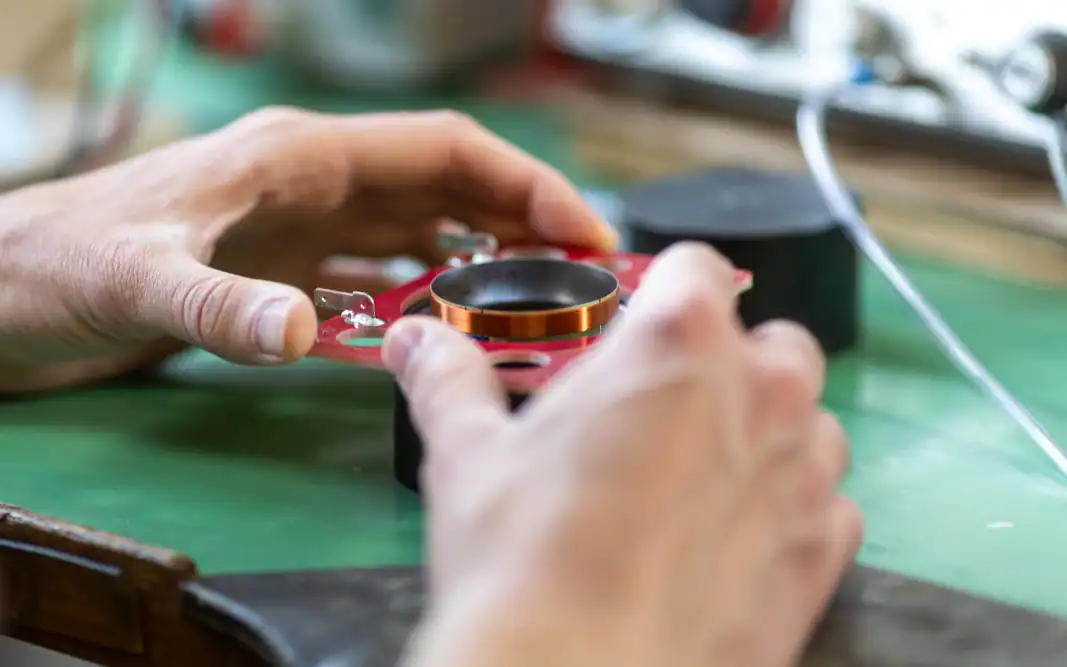
PSI Audio monitors are handcrafted in Switzerland. Drivers, electronics and cabinets are developed to work together as a complete monitoring system.
The advantages of PSI Audio active monitors.
Precision and phase coherence
A neutral response and controlled phase behaviour support a clear, coherent reference.
Technology with a purpose
CPR addresses phase response; AOI helps control driver movement. Explore the engineering behind the listening experience.
Handcrafted build quality
Careful assembly brings attention to the details that contribute to dependable performance.
Fast, controlled response
Clear attacks and decays make the timing and texture of a recording easier to follow.
A consistent reference across the range
Choose the size and configuration for your application while retaining a shared monitoring philosophy.
Comfort for long listening sessions
A natural presentation supports sustained listening. Sensible levels and regular breaks remain part of a good working routine.
CRAFTSMANSHIP / LONG-TERM THINKING
Made by hand.
Built for the long run.
Durability begins with how a product is made. At PSI Audio, board assembly, soldering and final product assembly are performed by hand, with attention throughout the process.
Care in every component
Incoming components are inspected, and sensitive electronic components are measured and matched.
Individually tested and calibrated
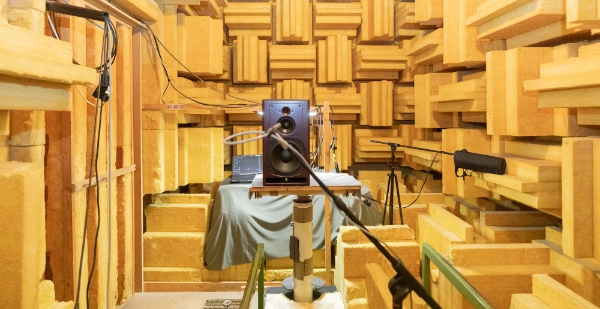
Each monitor is measured and adjusted in the anechoic chamber. Its own calibration curve accompanies the finished instrument.
A considered approach to manufacturing
Nearby sourcing and renewable electricity are part of our manufacturing approach.