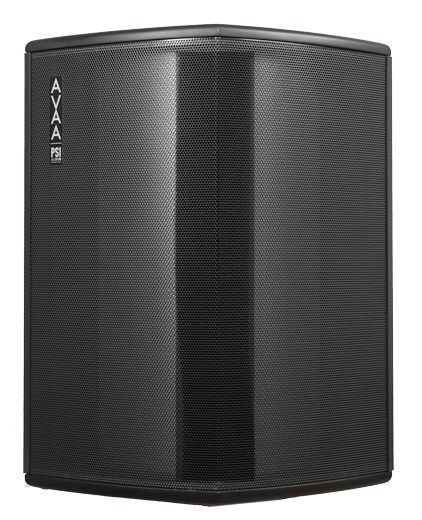
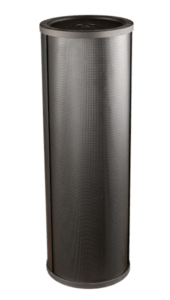
WELCOME TO THE WORLD OF AVAA TECHNOLOGY – THE WAY TO ACTIVELY ABSORB ROOM MODES AND GET CLEAR BASS.
Problem: Low-frequency room modes cause uneven bass, masking detail and making mixes unreliable.
Solution: AVAA (Active Velocity Acoustic Absorber) actively absorbs bass resonances between 15–160 Hz – equivalent to passive absorbers many times its size – without calibration.
ACTIVE ABSORPTION is the key
ACTIVE ABSORPTION is the key
If you want to fight room modes, passive absorption is what first comes to mind. But treating low frequencies requires a lot of space and tuning to be effective with any passive system.
If your room size is limited, active bass traps is the solution with the following benefits:
What do the AVAAs do?
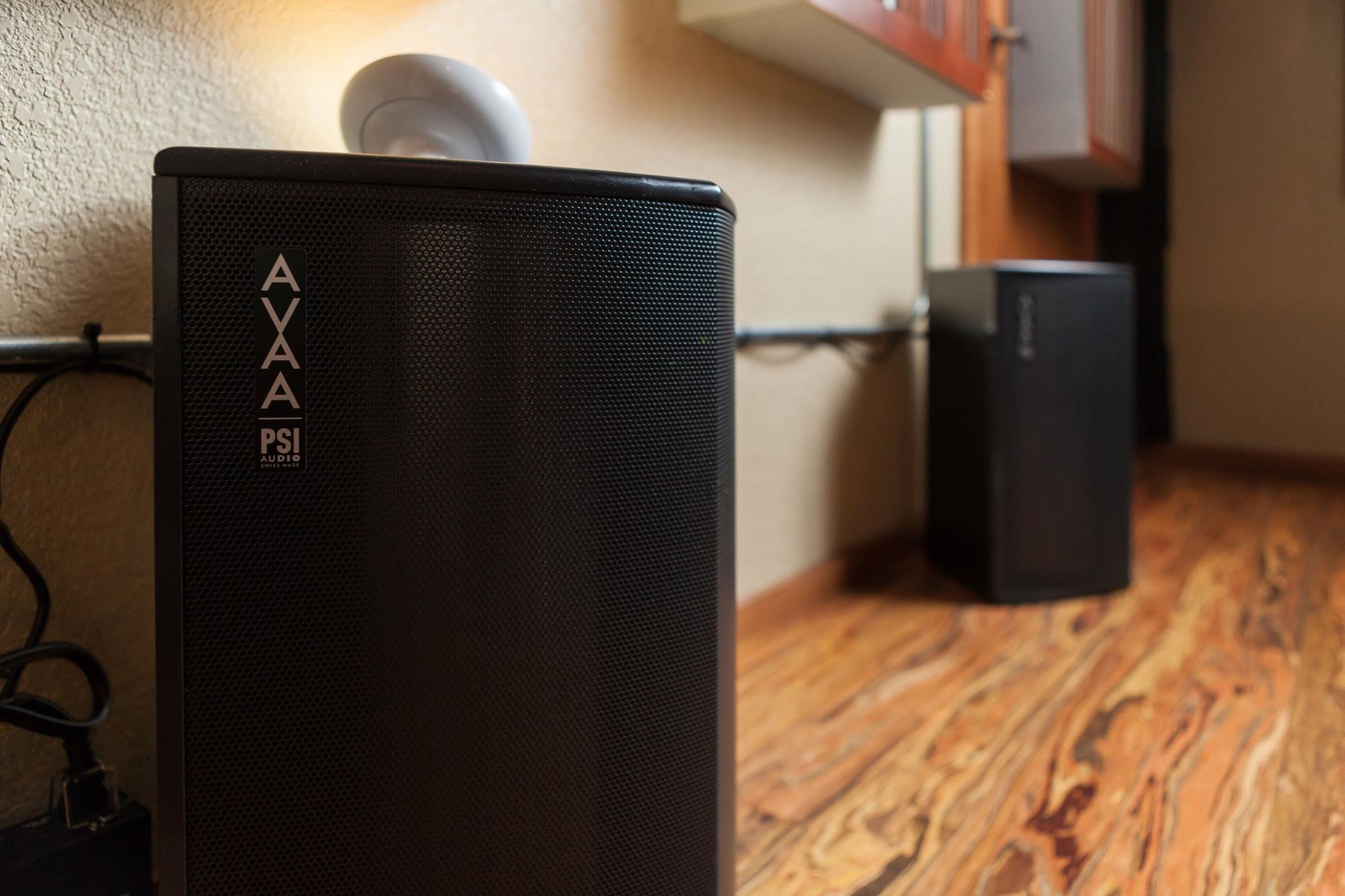
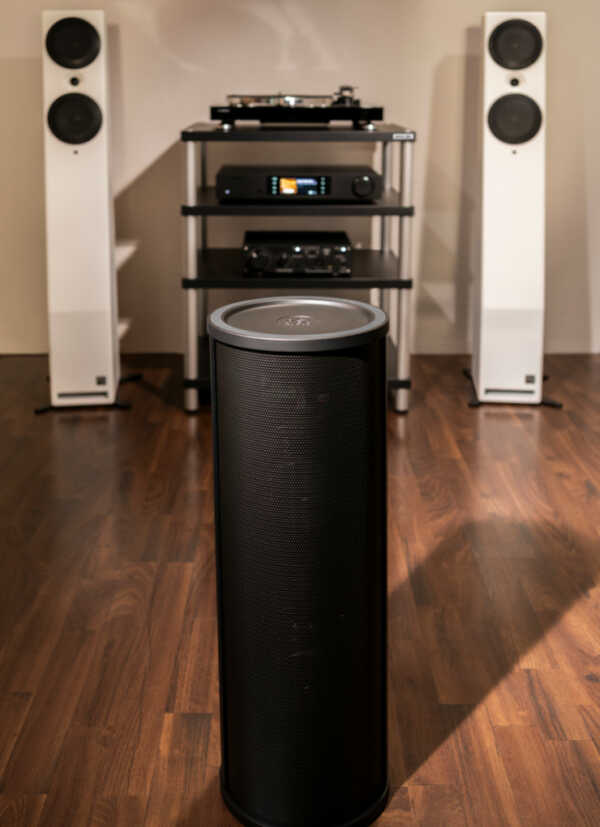
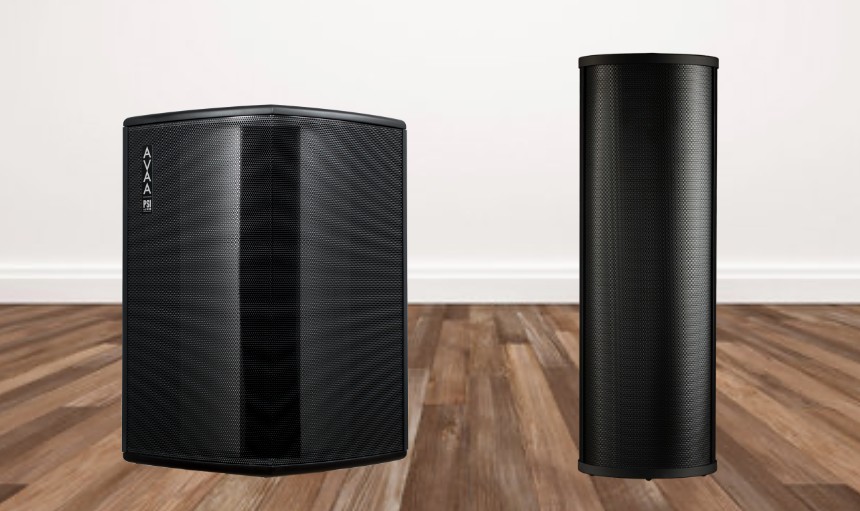
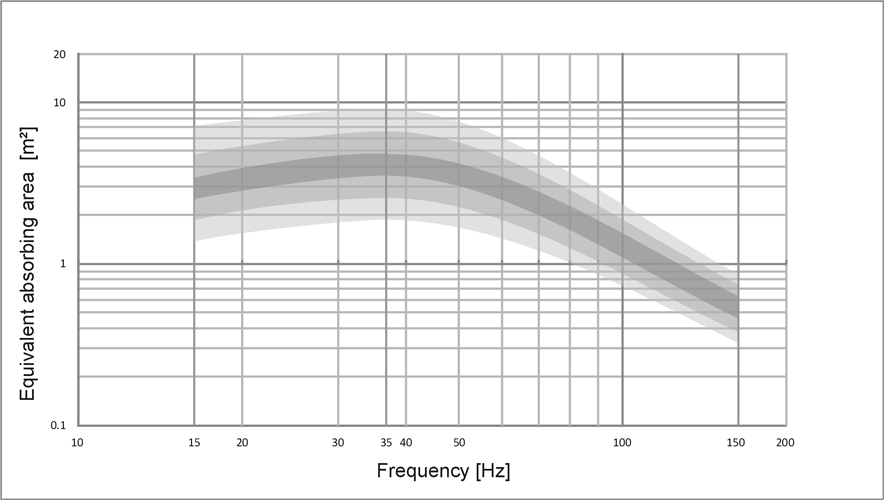
The AVAAs actively absorb standing modes in a room, specifically those between 15 and 160 Hz. Unlike passive absorbers, the AVAAs achieve this with greater efficiency and in a much smaller form factor. With each AVAA in operation, the effect is equivalent to a much larger hole in the wall – typically ranging between 25 and 45 times larger than the AVAA’s actual size, depending on the frequency and environment.
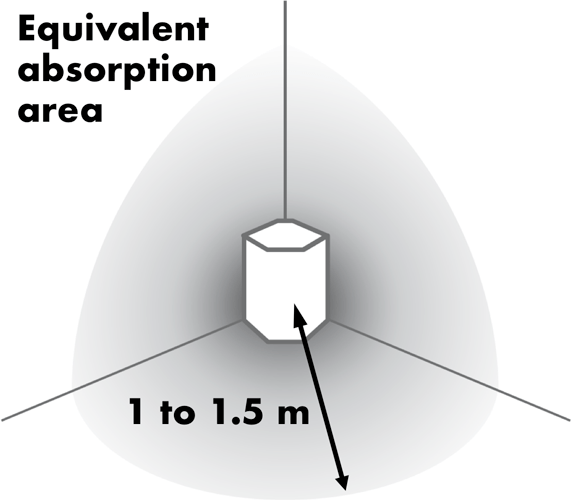
By lowering the acoustic impedance of the air in front of it, the AVAA effectively sucks in low frequencies over an area of about 1 to 1.5 meters. As a result, the optimal position for an AVAA is in the most rigid corners of the room, where pressure is highest and where room modes are most present.
It’s important to note that while the AVAA improves room acoustics, it has little impact on the inevitable first reflections of sound. Therefore, proper positioning of loudspeakers and listening equipment is crucial for achieving the best possible sound quality.
Why should I use AVAA technology?

AVAAs in practice
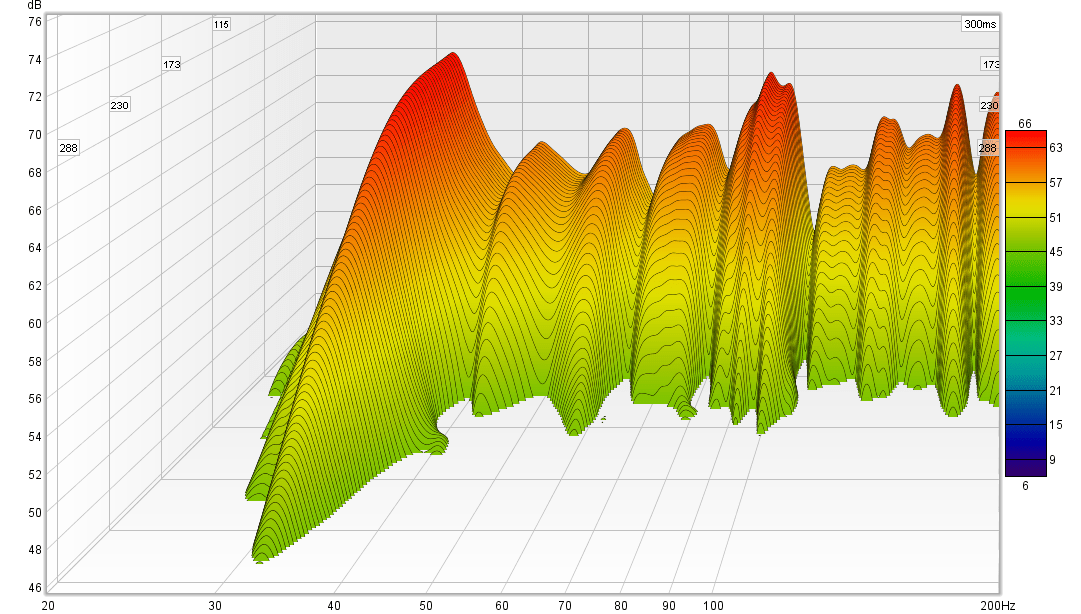
Without AVAAs
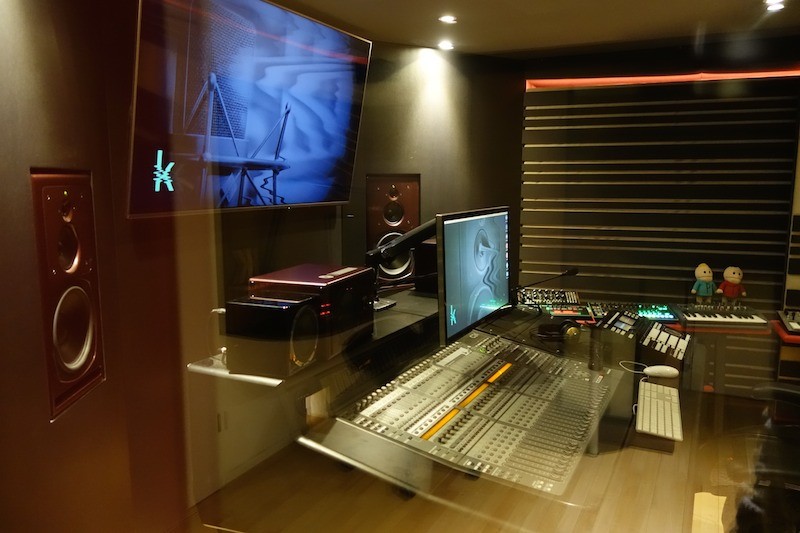
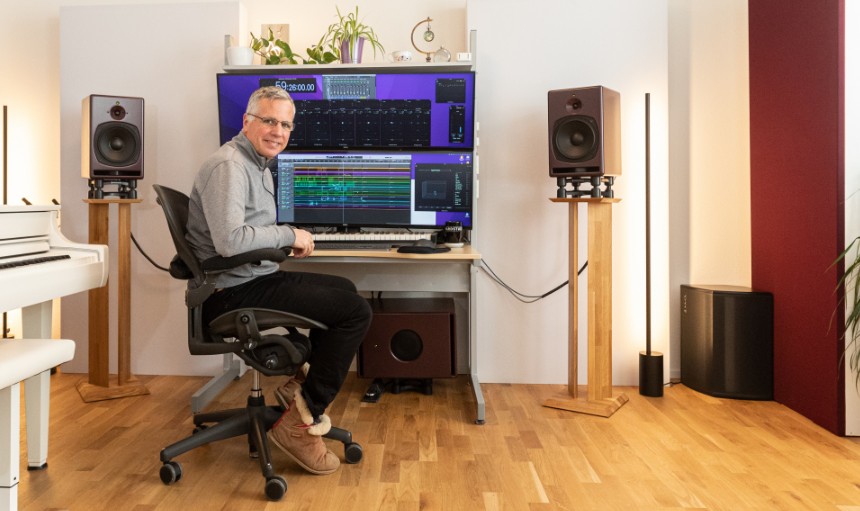
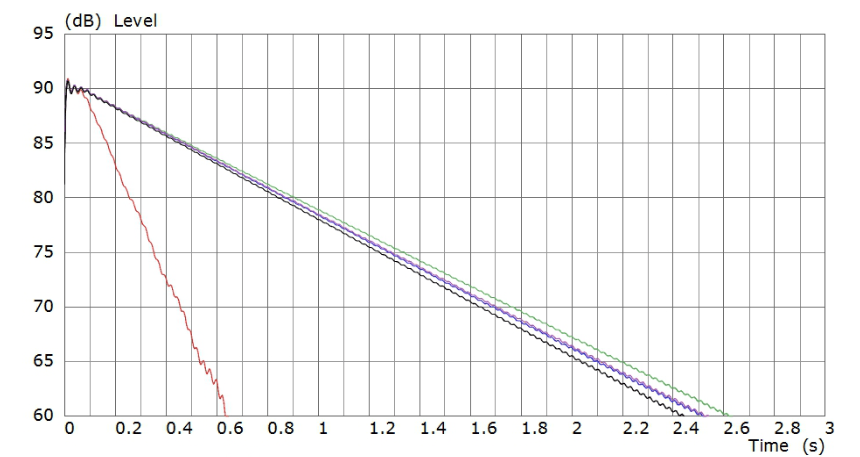
In a 20 m2 recording studio equipped with 2 big loudspeakers, the sweetspot was quite precise from 200 Hz upward but had a low end problem, especially at 32 Hz, due to the dimensions of the room.
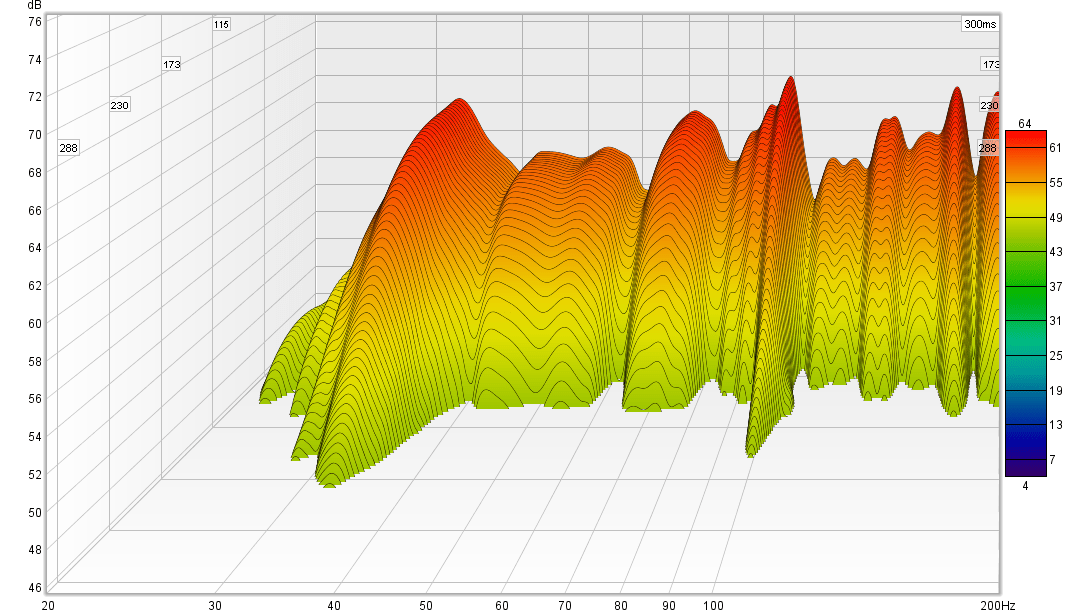
With AVAAs
With the addition of only 2 AVAAs, the problems were solved:
– Better balance from the lowest note until the highest one.
– 300 ms reduction of the 32 Hz reflections.
– better stereo imaging in the low end.
So many types of applications
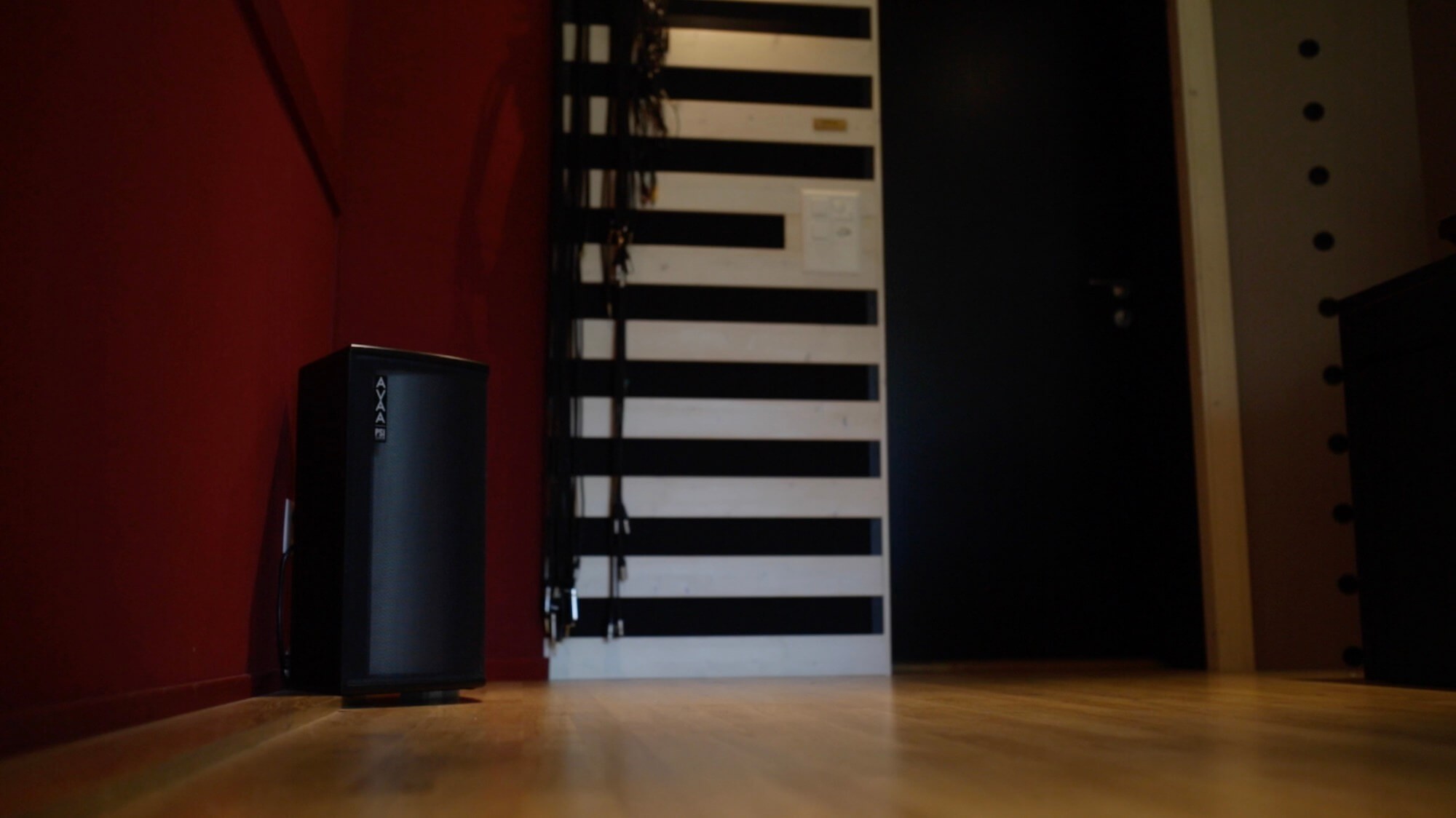
Soon as you have solid walls, modal acoustic behavior becomes unavoidable. The AVAA technology is incredibly effective in mitigating it.
Why we created the AVAA technology
The birth of the AVAA technology idea occurred in the late 90s as we tested PSI Audio monitors in recording and mixing studios. We discovered significant variations in their performance from room to room. While some studios had proper acoustic treatment, many lacked absorption, leading to issues with room modes and blurred and muddy low-end sound.
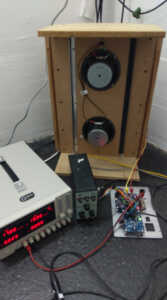
In 2012, we seized the opportunity to launch the AVAA project with the support of two Swiss universities for three years. Our goal was clear but the challenge was figuring out how to achieve it. With the help of the best engineers in electronics and electro acoustics, we succeeded in creating this amazing active bass trap.
Initially, we only intended to use our product to showcase our studio monitors. However, it quickly gained a positive reputation and interest skyrocketed.